How to Plan a Church Fundraiser on a Small Budget in DC, Maryland & Virginia
Published November 16, 2026
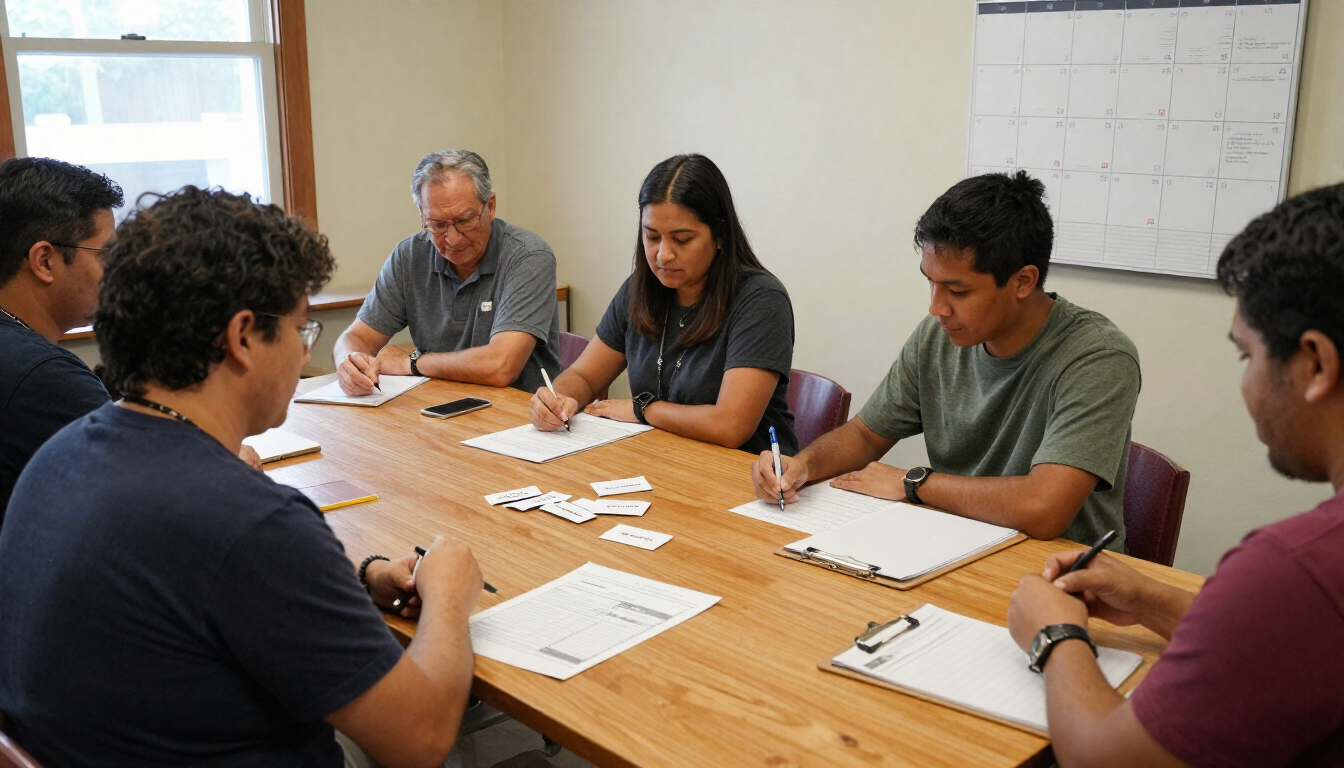
Churches and ministries throughout Washington, DC, Maryland, and Virginia often raise money to support outreach programs, youth activities, community service, building needs, and special projects. However, not every congregation has a large fundraising budget or a committee of experienced event planners. Some ministries depend on a small group of volunteers who already manage other responsibilities. The good news is that an effective fundraising plan does not necessarily require an expensive venue, elaborate decorations, or professional entertainment. It requires clear goals, careful budgeting, realistic participation estimates, and responsible financial management. This guide explains how church and ministry leaders in the DMV can organize a fundraiser without placing unnecessary pressure on their congregations or financial resources.
1. Start With a Clear Ministry Purpose
Before choosing an activity, identify why your ministry needs to raise money.
For example, funds might support:
- Youth ministry programs
- Community food assistance
- Senior outreach
- Mission-related activities
- Educational programs
- Building improvements
- Transportation assistance
- Other approved ministry needs
Explain the purpose clearly
These are examples, not claims about PartnerRaise participants.
Explain the purpose in language that members and supporters can understand. A clearly defined purpose helps volunteers communicate the goal and allows leadership to evaluate whether the proposed activity is appropriate.
2. Set a Realistic Fundraising Goal
A fundraising goal should reflect the ministry’s actual needs and likely participation.
Suppose a ministry hopes to raise $2,000 for an approved outreach project. That does not mean an event generating $2,000 in ticket sales will meet the goal. Event expenses must be deducted first.
For example:
- Estimated gross revenue: $3,000
- Estimated expenses: $900
- Estimated net proceeds: $2,100
Distinguish gross revenue from net proceeds
These figures are hypothetical. Actual attendance, expenses, refunds, and other costs may change the outcome.
A ministry should distinguish between gross revenue and net fundraising proceeds before approving an event.
3. Create a Written Budget Before Spending
A written budget is one of the most important tools for controlling costs.
Potential expenses include:
- Food and beverages
- Facility rental
- Supplies
- Decorations
- Printing
- Equipment
- Transportation
- Insurance
- Payment processing
- Cleanup
- Other approved expenses
Identify essential versus optional expenses
Identify which expenses are essential and which are optional.
For example, if a church already has an appropriate fellowship hall, using that space may reduce costs. However, the ministry should still consider cleaning, equipment, utilities, and other applicable requirements.
Avoid assuming that a church-owned facility has no event-related costs.
4. Choose an Activity That Fits the Budget
An affordable fundraiser should match the ministry’s resources.
Possible activities include:
- A small community meal
- A fellowship gathering
- A ministry-sponsored workshop
- A modest ticketed social event
- A community service fundraiser
- A pre-order food activity
- A congregation-supported giving campaign
Match the activity to your ministry
Each activity has different costs, staffing needs, and possible risks.
Food-based events may require attention to food safety and local requirements. Ticketed events require realistic attendance estimates. Giving campaigns require accurate communication and financial records.
Choose the activity that best fits your ministry rather than copying another organization’s event. For broader inspiration, see our church fundraising ideas for ministries and groups.
5. Estimate Participation Conservatively
One of the easiest ways to overspend is to assume that everyone who expresses interest will attend.
A congregation may have 200 members, but that does not mean 200 people will purchase tickets.
Review participation in previous events when reliable records exist.
Consider:
- How many people usually attend?
- What ticket price is affordable?
- Will supporters need transportation?
- Does the event conflict with other activities?
- Are members already supporting other campaigns?
Build a conservative estimate first
Create a conservative estimate before making financial commitments.
If an event cannot cover essential expenses at a reasonable attendance level, reconsider the plan. Learning how to evaluate fundraising opportunities can help you weigh whether an activity is worth pursuing.
6. Use Volunteers Without Overloading Them
Volunteers can help reduce costs, but their time is valuable.
Church and ministry leaders should avoid placing every responsibility on the same few people.
Assign specific roles such as:
- Event coordinator
- Budget coordinator
- Registration coordinator
- Communications coordinator
- Volunteer coordinator
- Setup team
- Cleanup team
Keep volunteer loads manageable
Provide clear instructions and reasonable deadlines.
If the ministry has limited volunteer capacity, simplify the event. A smaller fundraiser that volunteers can manage may be more appropriate than an ambitious event requiring extensive preparation.
7. Compare DMV Locations and Expenses
Churches and ministries serving the Washington metropolitan area should consider geographic convenience.
Members may travel from Washington, DC, Prince George’s County, Montgomery County, Arlington, Alexandria, Fairfax County, or other DMV communities.
When comparing locations, review:
- Venue cost
- Parking
- Public transportation
- Accessibility
- Travel distance
- Capacity
- Equipment availability
- Cancellation terms
Consider the full cost of participation
An inexpensive venue may become less practical if transportation and other expenses are high.
Consider the full cost of participation for both the ministry and its supporters.
8. Communicate the Fundraising Purpose Clearly
Members should understand what the fundraiser supports.
Announcements should explain:
- The purpose
- The date and location
- Any ticket or participation cost
- Registration instructions
- Important deadlines
- Who to contact with questions
Avoid exaggerated claims
Use church announcements, email, newsletters, and approved social media channels.
Avoid exaggerated claims about expected fundraising results. If only a portion of event revenue will support the ministry’s project, do not imply that all ticket revenue will go directly to that purpose.
Accurate communication helps maintain trust.
9. Protect the Ministry’s Financial Records
Even a small fundraiser needs appropriate financial controls.
Before collecting money, establish who is authorized to:
- Receive payments
- Record transactions
- Approve expenses
- Issue refunds
- Deposit funds
- Reconcile accounts
- Prepare financial reports
Separate handling from reconciliation
Where practical, separate the responsibility for handling funds from the responsibility for reconciling financial records.
Use the ministry’s approved financial procedures. Avoid collecting event money through an individual’s personal account unless organizational policy expressly permits it and appropriate safeguards exist.
Maintain receipts and document approved expenses.
10. Review Applicable DMV Requirements
Church fundraising activities may involve charitable solicitation, venue, food service, tax, insurance, or other requirements.
Rules differ among Washington, DC, Maryland, and Virginia.
Certain religious organizations may qualify for charitable solicitation exclusions or registration exemptions. However, eligibility depends on the applicable law and the organization’s circumstances. A ministry should not assume that every fundraising activity is automatically exempt.
Check current official guidance before beginning an activity. Official educational resources:
Official DMV charitable solicitation resources
These resources provide general information, not individualized legal advice.
11. Prepare a Simple Event Timeline
A basic timeline can help ministry leaders stay organized.
Early planning
Confirm the purpose, budget, volunteers, and proposed activity.
Before commitments
Review costs, applicable requirements, and cancellation terms.
Promotion period
Announce the activity, explain registration procedures, and monitor participation.
Final preparations
Confirm volunteers, supplies, payment procedures, and event details.
Event day
Coordinate activities, document transactions, and address problems.
After the event
Reconcile finances, thank supporters, and review results.
Adjust the schedule based on the event’s size and complexity.
12. Measure Results Beyond Attendance
A fundraiser should be evaluated using more than the number of people who participated.
Review:
- Gross revenue
- Total expenses
- Net proceeds
- Volunteer hours
- Attendance
- Member feedback
- Unexpected costs
- Financial reporting
- Opportunities for improvement
Use actual results to improve
An event with strong attendance may still produce limited proceeds if expenses were too high.
Similarly, a modest event may meet its goal while requiring less time and fewer resources.
Use actual results to improve future fundraising decisions.
Church Fundraising Budget Checklist
Before approving a fundraiser, confirm the following:
- Our ministry has a clear purpose.
- Leadership has approved the activity.
- We have a realistic fundraising target.
- We have prepared a written budget.
- Essential expenses are identified.
- Participation estimates are conservative.
- Volunteer responsibilities are assigned.
- Financial controls are documented.
- Applicable requirements have been reviewed.
- We have a plan for reporting results.
How PartnerRaise Fits Into DMV Ministry Fundraising
PartnerRaise is developing an interest network for organized groups in Washington, DC, Maryland, and Virginia.
Churches and ministries may share their fundraising interests and preferred participation periods during the initial recruitment phase.
Joining the PartnerRaise interest network is free. Registration does not obligate a ministry to participate in a future activity.
Specific opportunities, availability, participation requirements, costs, and potential earnings will depend on future arrangements. PartnerRaise does not guarantee fundraising income or event placement.
Final Thoughts
Church fundraising does not have to begin with a large financial commitment.
For ministries throughout DC, Maryland, and Virginia, careful budgeting, realistic planning, and dependable volunteers can help make fundraising activities more manageable.
Start with the ministry’s purpose, protect its resources, and evaluate results honestly.
Churches and ministries interested in learning about possible future DMV fundraising opportunities can join the PartnerRaise interest network.
Key takeaways
- Start with a clear ministry purpose and a realistic fundraising goal that accounts for expenses, not just gross revenue.
- Prepare a written budget before spending, separating essential costs from optional ones and remembering that a church-owned facility may still carry event-related costs.
- Choose an activity that fits your ministry’s budget, volunteers, and supporters rather than copying another organization’s event.
- Estimate participation conservatively, assign clear volunteer roles, and avoid overloading the same few people.
- Protect financial records with documented controls, review applicable DMV requirements, and evaluate results beyond attendance.
- Joining the PartnerRaise interest network is free and does not obligate your ministry to participate in future opportunities.
Frequently asked questions
Can a small church organize a fundraiser with limited money?
Yes. A small church can consider activities that use existing facilities, volunteers, and manageable supplies. The important question is whether the expected proceeds justify the costs and responsibilities.
How much should a church spend on a fundraiser?
There is no universal amount. The appropriate budget depends on the fundraising goal, expected participation, available resources, and risk. Leadership should approve a realistic spending limit before financial commitments are made.
What is the difference between gross revenue and net proceeds?
Gross revenue is the total money collected before expenses. Net proceeds are the amount remaining after applicable event expenses are deducted. For fundraising decisions, net proceeds provide a more useful measure of financial results.
Do churches need permission to conduct fundraisers in the DMV?
Requirements depend on the activity, location, and organization. Certain religious organizations may qualify for exemptions from some charitable solicitation rules. Other event-related requirements may still apply. Check official guidance and obtain appropriate advice when needed.
How can churches avoid losing money on an event?
Prepare a written budget, estimate attendance conservatively, review vendor terms, control optional spending, and track payments and expenses. Avoid relying on unconfirmed ticket sales to cover nonrefundable commitments.
Should a ministry use volunteers or paid vendors?
That depends on the activity, required skills, available volunteer time, and budget. Volunteers may reduce direct costs, but some activities require qualified professionals or outside services. Choose the arrangement that supports safety, quality, and responsible spending.
Become a Partner Organization
There is no cost to join and no obligation to participate in future opportunities.
Become a Partner Organization